Alaska
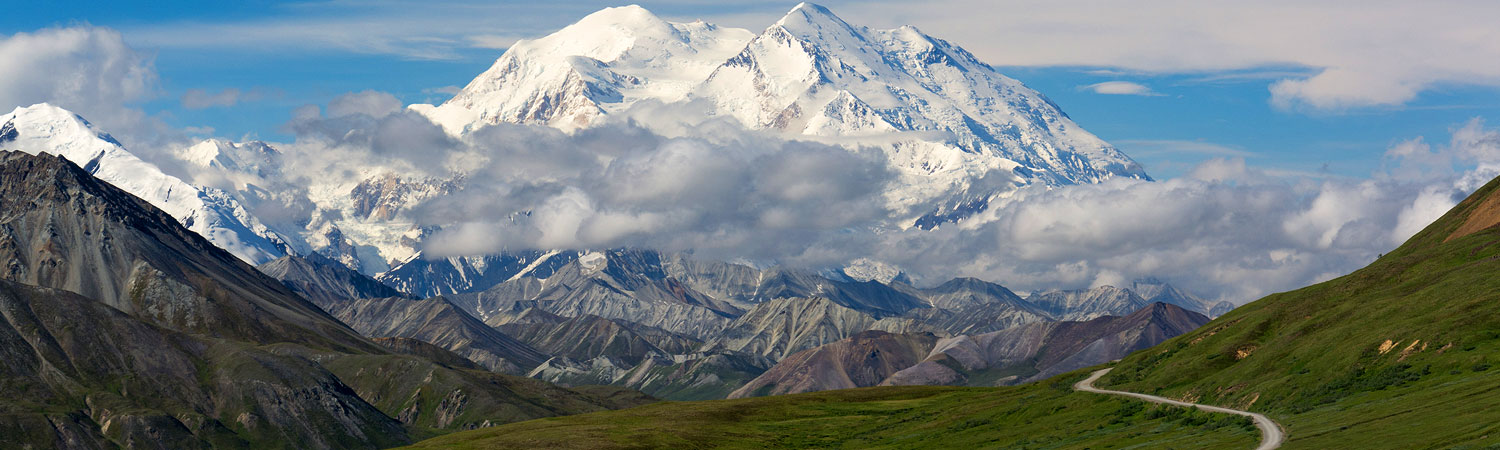
Alaska, nicknamed as “America’s Last Frontier", is the largest state in the United States that lies on the Arctic Circle. Discover beautiful landscapes, ice-blue glaciers, towering mountains, and diverse wildlife in the Great Land.
Welcome to the 49th State, Alaska! From the summit to the sea, from the city to the remote wilderness, Alaska does not disappoint. From kayaking in the spectacular Kenai Fjords, wandering around Alaska's famous landmarks, to cruising through the magnificent Glacier Bay and capturing rare moments in Denali's wildlife, our itineraries take you deep into the wonders of the vast north. Explore its awe-inspiring national parks, cruise along its gleaming glaciers or chase the incredible Northern Lights. Adventure awaits your whether you are a first-time or returning visitor. Contact us for the perfect itinerary that suits your interests!
Helpful Information
Summer in Alaska, May through September, first appears in the Inside Passage region and moves its way north, carried along by lengthening daylight hours. May is generally the driest month across the state, even in the temperate rainforest of the Inside Passage. By July, daytime temperatures in the Interior can average in the 20°C range, although it has been known to reach well into the 30°C, while temperatures in the coastal areas and higher elevations rarely get above 18°C. Temperatures across the state start cooling in August and September, triggering a riotous display of fall colors across Alaska’s tundra and forest landscapes.
Winter in Alaska is roughly October through March, although temperatures and daylight vary from region to region. Coastal areas are more temperate, rarely falling below -6°C. Snow blankets much of Southcentral during the winter months, perfect for skiing, snowmobiling (snowmachining to Alaskans), and dog mushing.
Winter in the Interior and Arctic regions are completely different. You may start seeing snow in Interior as early as October, and temperatures may dip below -30 °C during the winter months. Strangely, the Arctic is technically a desert.
Temperatures during the shoulder seasons in Spring and Fall can be variable, warm during the day but still cold at night.
So, in terms of day-to-day weather, it’s best to plan for a little of everything.