Sigiriya Rock Fortress: The Lion’s Legacy
Rising 200 metres above the forest canopy, Sigiriya Rock Fortress is one of Sri Lanka’s most iconic landmarks and a UNESCO World Heritage Site. Once the stronghold of King Kashyapa in the 5th century, the fortress is both an engineering marvel and a masterpiece of art and architecture.
The climb to the summit is rewarded with sweeping views of lush plains and ancient water gardens. Along the way, you’ll encounter the famous Sigiriya frescoes, vibrant murals of celestial maidens painted across sheer rock walls. These paintings, alongside the colossal lion’s paws carved into the entrance, give Sigiriya its name, “Lion Rock.”
“Standing atop Sigiriya at sunrise was surreal. The mist rolled over the forests like waves, and you could almost feel the history in the air.” – Priya M., 2024
Sri Dalada Maligawa: The Temple of the Tooth
Nestled in the royal city of Kandy, the Sri Dalada Maligawa or Temple of the Sacred Tooth Relic is one of Buddhism’s holiest sites. The temple houses what is believed to be a tooth relic of Lord Buddha, carefully preserved in nested gold caskets.
Though the relic itself is not visible to the public, the temple’s spiritual atmosphere and architectural grandeur make it a must-see. The complex is adorned with white stone walls, carved pillars and golden rooftops overlooking Kandy Lake.
If you visit during the Esala Perahera Festival (July–August), you’ll witness a dazzling procession of dancers, drummers and caparisoned elephants celebrating the temple’s most sacred relic.
“Kandy’s temple was unforgettable. The rhythmic drums, incense and devotion created an atmosphere unlike anywhere else.” – James R., 2023
Adam’s Peak: A Sacred Summit
Known locally as Sri Pada, or “Sacred Footprint,” Adam’s Peak is one of the island’s most revered sites. Rising 2,243 metres above sea level, the mountain draws thousands of pilgrims each year who climb its 5,000-plus steps to reach the summit.
Buddhists believe the rock imprint at the peak is Buddha’s footprint, while Hindus attribute it to Lord Shiva. Christians and Muslims, meanwhile, regard it as the mark of Adam when he first set foot on Earth after leaving paradise.
The hike typically begins in the early hours of the morning, allowing visitors to reach the top by sunrise. Watching dawn break over the mist-shrouded valleys is one of the most moving experiences in Sri Lanka’s Hill Country.
Dambulla Cave Temple: The Golden Temple
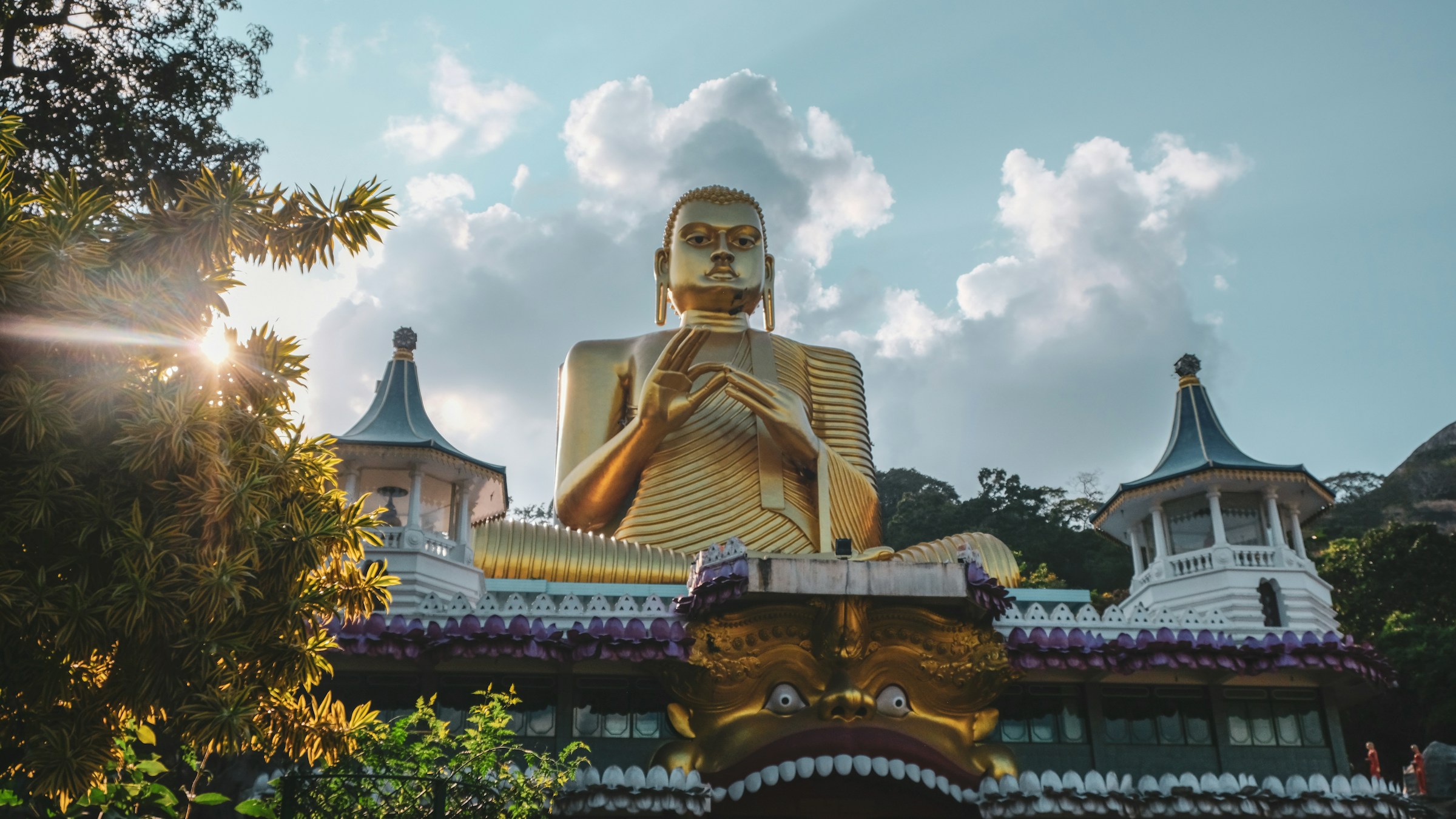
In the heart of Sri Lanka lies the magnificent Dambulla Cave Temple, a UNESCO-listed site and one of the largest and best-preserved cave complexes in Asia. Carved into a 160-metre rock face, the complex features five sanctuaries filled with Buddhist statues, frescoes and murals dating back over 2,000 years.
The Golden Temple of Dambulla is instantly recognisable by the enormous gilded Buddha that towers above its entrance. Inside, centuries of artistic devotion come alive — from serene reclining Buddhas to ceiling paintings depicting scenes from the Jataka tales.
Many travellers visit Dambulla as part of the Cultural Triangle, which also includes Anuradhapura and Polonnaruwa. It’s an essential stop for those seeking to understand Sri Lanka’s spiritual and artistic legacy.
Galle Fort: The Seaside Citadel
Perched on the southern coast, Galle Fort stands as a testament to the country’s layered colonial history. First built by the Portuguese in the 16th century and later expanded by the Dutch, this fortified town blends European architecture with South Asian vibrancy.
A walk through Galle’s cobbled streets reveals chic cafés, art galleries, antique shops and boutique hotels housed in restored colonial buildings. The Galle Lighthouse, standing at the edge of the ramparts, offers stunning views over the Indian Ocean, particularly at sunset.
UNESCO has recognised Galle Fort as a living heritage site, where everyday life continues within its historic walls. Whether you’re exploring the Dutch Reformed Church or browsing local handicrafts, Galle offers a captivating mix of culture, history and coastal beauty.
Lipton’s Seat: The View from the Hills
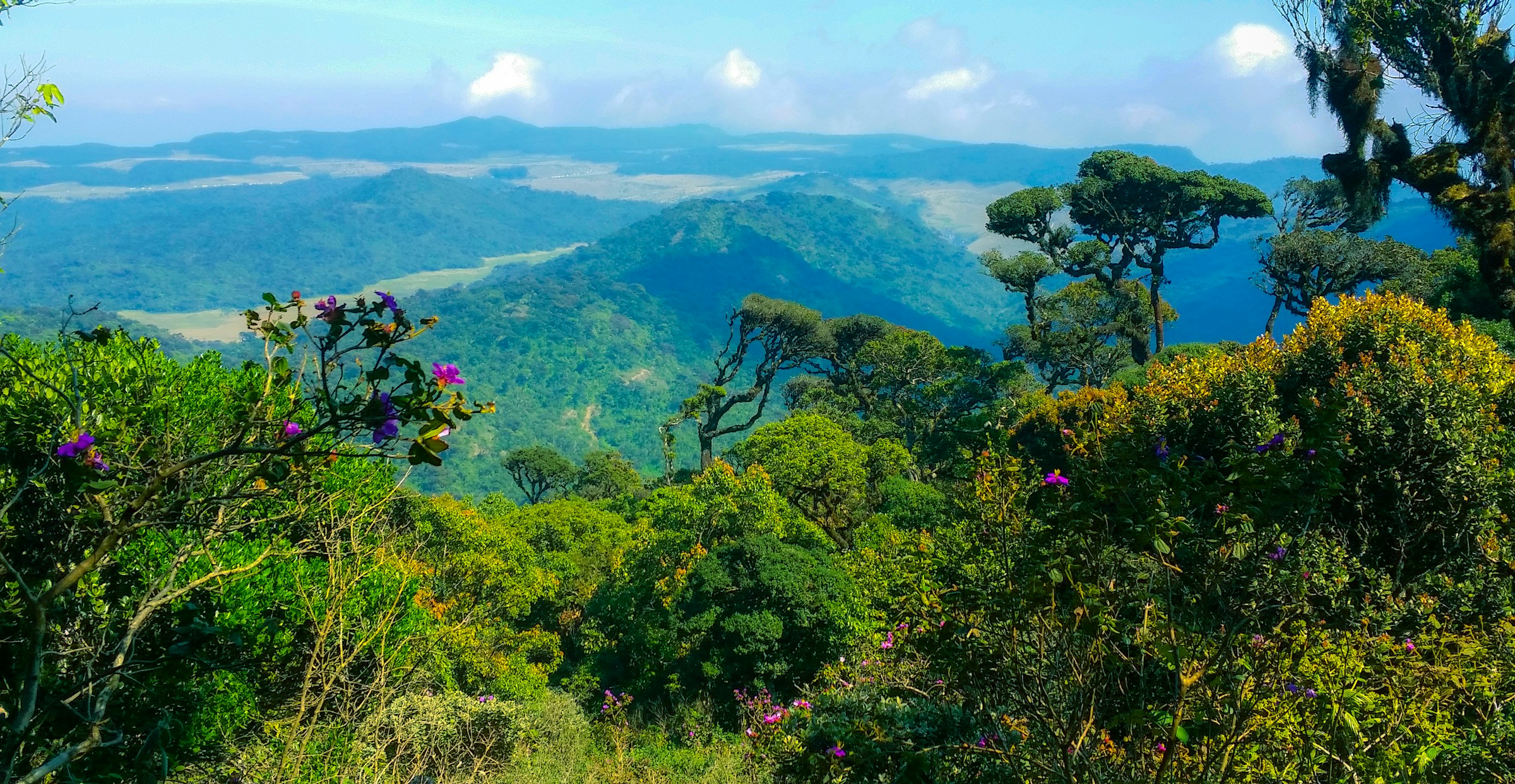
In the emerald tea country of Haputale, Lipton’s Seat is where Scottish tea magnate Sir Thomas Lipton once surveyed his vast plantations. The viewpoint overlooks rolling hills, terraced fields and misty valleys, a panorama that captures the essence of Sri Lanka’s Hill Country.
Start your visit at the Dambatenne Tea Factory, founded by Lipton himself in 1890. A guided tour reveals the fascinating process of tea production, from leaf to cup. From there, a scenic trek or tuk-tuk ride leads to Lipton’s Seat, best visited at dawn before the mist rises.
“Sipping tea while watching the sunrise over the plantations was magical. It felt like stepping back in time.” – Ella G., 2024
Expert Travel Tips
- Dress modestly at temples. Shoulders and knees should be covered. Bring a light scarf for convenience.
- Best time to visit. The dry season from December to April offers ideal conditions for sightseeing and hiking.
- Carry cash for smaller towns. Many local shops and cafes may not accept cards.
- Use a driver-guide. Hiring a local driver through Entire Travel Group ensures comfort, safety and valuable insights.
- Stay hydrated. Sri Lanka’s tropical heat can be intense, especially when climbing sites like Sigiriya or Adam’s Peak.
The Cultural Heart of Sri Lanka
Each of these landmarks offers a glimpse into Sri Lanka’s soul — a country where faith, artistry and nature intertwine seamlessly. From the ancient kings who built fortress cities to the monks who preserved centuries of Buddhist teachings, Sri Lanka’s heritage continues to inspire awe.
With Entire Travel Group, you can experience these remarkable places through curated itineraries that balance culture, comfort and adventure. Whether you wish to explore the Cultural Triangle, relax on the south coast or sip tea in the highlands, our Sri Lanka holiday packages bring together the country’s finest experiences in one seamless journey.
References
Discover Sri Lanka with Entire Travel Group
From the majestic heights of Sigiriya to the golden shores of Galle, Sri Lanka’s landmarks are more than monuments; they’re windows into the island’s living history.
Let Entire Travel Group curate your journey across this extraordinary destination. Our Sri Lanka holiday packages combine expertly guided tours, boutique stays and local experiences to ensure every moment is memorable.